Quilters T-Shirt Graphics for Blog Design
As a digital publisher who has spent years refining the visual identity of content-heavy websites, I approach every new graphic design asset with a critical eye. It is not enough for an image to be pretty; it must perform. It needs to hold its own against bold headlines, integrate seamlessly into responsive layouts, and convey immediate context to a scrolling reader. When I first opened the Quilters T-shirt Design Bundle, my initial reaction was one of relief. In a market saturated with generic clip art, this collection offers a distinct editorial mood that feels both lifestyle-focused and authentically handmade.
The aesthetic here is warm, inviting, and deeply rooted in community. It does not scream for attention with neon colors or aggressive typography. Instead, it whispers of comfort, patience, and creativity. For bloggers and website owners in the crafting, DIY, or slow-living niches, this is gold. The designs naturally support content that values process over speed. Whether you are running an affiliate blog reviewing sewing machines or a newsletter dedicated to textile arts, these visuals create an instant sense of trust. They signal to your audience that you understand their passion because the imagery reflects their reality.
Elevating Editorial Layouts and Web Presence
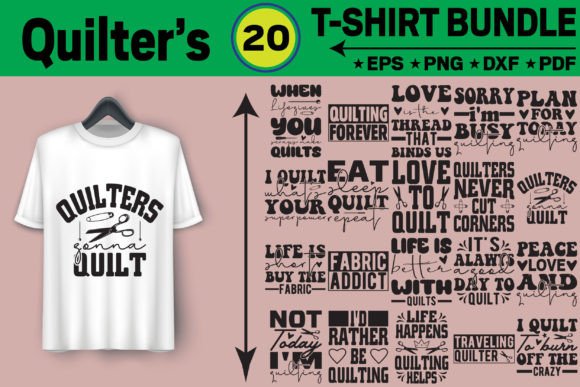
In modern web design, visual hierarchy is everything. We use images to break up text, guide the eye, and establish emotional tone. The Quilters T-shirt Design Bundle excels when used as more than just merchandise mockups. I tested these assets across several real-world publishing scenarios. As featured images for blog posts, they provide a clean, uncluttered backdrop that allows headline text to pop. The phrases included—such as "Love is the thread that binds us" and "When life gives you scraps, make quilts"—are not just slogans; they are narrative hooks.
For Pinterest marketers, this bundle is a powerhouse. Pinterest is a visual search engine where aesthetics drive clicks. These designs translate beautifully into vertical Pinterest pin graphics. The typography is legible even at smaller sizes, and the thematic consistency helps build a recognizable brand board. When I placed these graphics alongside serif fonts for a classic editorial look, the result was sophisticated. Pairing them with handwritten or script fonts created a playful, approachable vibe perfect for tutorial headers. This versatility makes them invaluable for content marketing strategies that rely on strong visual identity.
Strategic Use in Digital Products and Lead Magnets
Beyond standard blog graphics, I see immense potential for these assets in creating high-value digital products. If you are an online educator or a creative entrepreneur selling courses, consider using these designs for workbook covers, checklist headers, or lead magnet banners. A downloadable guide on "Beginner Quilting Techniques" gains immediate credibility when wrapped in professional, themed branding. The Quilters T-shirt Design Bundle provides the cohesive look needed to turn a simple PDF into a premium digital download.
Furthermore, these graphics work exceptionally well in email newsletters. A well-designed header can increase open rates and engagement. Using a subtle quilt-themed graphic as a section divider or a footer accent adds a layer of polish that subscribers notice. It reinforces your small business branding without overwhelming the written content. For affiliate marketers, using these visuals in product comparison tables or review summaries can soften the sales pitch, making the content feel more like a recommendation from a friend than a transaction.
Performance Considerations and Best Practices
While the artistic merit is high, we must discuss technical implementation. Not every placement is suitable. I advise caution when using these detailed designs on small mobile thumbnails. Complex typography can become illegible on screens smaller than four inches. Always test your blog graphics on multiple devices. Check the contrast ratios if you plan to overlay white text on darker design elements. If the background is busy, consider adding a semi-transparent shape behind your headline to ensure readability.
Another critical factor is file size. High-resolution T-Shirt Designs can be heavy. Before uploading to your CMS, compress the images properly to maintain fast load times. Speed is a ranking factor, and a beautiful site that loads slowly will lose readers. Additionally, always verify the licensing terms. While this bundle is designed for commercial use, ensuring you have the correct commercial license for monetized websites and paid content products is non-negotiable for professional publishers.
Avoid using these playful, craft-centric graphics in serious corporate contexts or minimalist tech blogs. The mismatch in tone can confuse readers and dilute your authority. These assets thrive in environments that celebrate creativity, home, and handmade culture. They are less effective in sterile, ultra-modern layouts that prioritize negative space above all else.
Final Verdict for Content Creators
The Quilters T-shirt Design Bundle is more than a collection of Graphics; it is a toolkit for storytelling. It allows bloggers and designers to communicate warmth and expertise simultaneously. By integrating these assets into your editorial design workflow, you enhance the perceived value of your content. Whether you are creating a Canva template for social media, designing a printable design for your shop, or crafting a website header that welcomes visitors, this bundle delivers consistent quality.
For those of us who live in the creative marketplace, finding assets that feel authentic is rare. This bundle bridges the gap between commercial viability and artistic integrity. It supports a wide range of applications, from social media graphics to comprehensive digital guides. If your goal is to build a loyal audience through polished, trustworthy, and visually appealing content, this asset deserves a place in your library. It transforms ordinary posts into engaging experiences, proving that in the world of digital publishing, design is not just decoration—it is communication.