Reviewing Guns Typography for Embroidery Projects
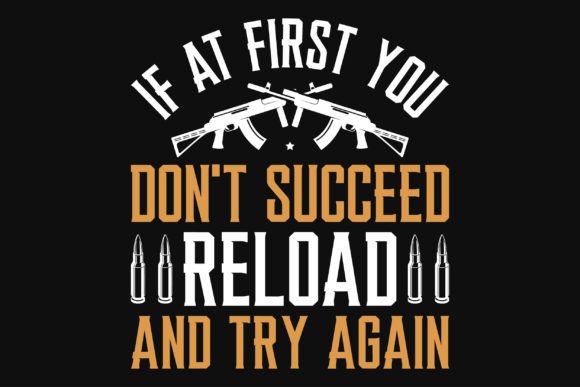
When I first pulled up the Guns Typography Tshirt Design on my screen, my initial reaction was one of cautious curiosity. As an experienced designer who spends half my life digitizing and the other half stitching, I have learned that what looks sharp on a monitor does not always translate cleanly to fabric. This particular piece falls under the category of T-Shirt Designs and Graphics, marketed heavily toward print-on-demand platforms like Amazon, TeePublic, and Shopify. However, my interest lies in its potential for physical application. Can this bold, typographic aesthetic survive the needle? Is it a viable asset for a craft business, or is it strictly digital fodder?
First Impressions: Mood and Visual Personality
The design carries a distinct mood. It is assertive, modern, and slightly edgy. The typography is not merely decorative; it acts as the structural backbone of the image, with the graphical elements integrated seamlessly into the letterforms. For an embroidery project, this integration is critical. If the graphic details are too fine or disconnected from the text, you risk thread breaks and poor registration on the hoop.
Visually, the layout feels balanced. It does not scream for attention through chaotic clutter but rather through strong contrast and confident lines. This kind of visual personality fits naturally into custom apparel aimed at a younger demographic or niche hobbyist groups. It suggests a product that is meant to be seen and discussed, making it a strong candidate for statement pieces rather than subtle accents.
Real-World Application: From Screen to Stitch
To truly evaluate this design, I imagined a real-life scenario. I recently worked on a batch of custom tote bags for a local boutique. The client wanted something that felt urban yet durable. I considered using this Guns Typography Tshirt Design as a central motif on a heavy canvas tote. The bold lines suggested it would hold up well against the textured weave of the canvas.
In this context, the design performs differently than it would on a smooth polyester blend. On a tote bag, you need a design that can handle higher stitch density without puckering the fabric. The thick strokes in the typography allow for solid fill stitches, which provide excellent coverage and durability. This makes it suitable for items that will see frequent use, such as aprons, pillow covers, or even heavy-duty workwear.
Beyond totes, I see potential in sweatshirt embroidery. A chest-left placement of this design on a high-quality fleece hoodie could elevate a basic garment into a premium handmade product. The key here is scale. You must ensure the design is resized appropriately so that the lettering remains legible without becoming so large that it stiffens the entire front panel of the garment.
Navigating Technical Challenges
While the design is striking, there are areas where an embroiderer must proceed with caution. Any design featuring typography and intricate graphics requires careful attention to stitch density. If the original file was created for printing, it may lack the necessary underlay or pull compensation required for machine embroidery.
Small hoop sizes present a significant challenge. If you attempt to shrink this design to fit a 4x4 inch hoop for a baby item or a cap, the finer details of the typography may merge. Tiny lettering can become illegible when converted to satin stitch or fill stitch, especially on textured fabrics. I strongly advise testing the design on scrap fabric first. Check how the threads interact with the material. Does the design pull the fabric? Are there dense areas that create bulk?
Curved surfaces, such as caps or hats, require additional consideration. The rigidity of a dense typographic design can cause distortion on the curved crown of a cap. In such cases, using a proper stabilizer is non-negotiable. A cut-away stabilizer might be necessary to support the weight of the stitches and prevent the design from warping after washing.
Enhancing Product Value and Brand Consistency
For Etsy sellers and small shop owners, the choice of design directly impacts perceived value. A clean, well-executed embroidery job signals professionalism. When customers see crisp edges and consistent thread tension, they trust the quality of the handmade product. This design, if stitched correctly, can enhance brand consistency for shops focusing on bold, modern aesthetics.
It also adds to the giftability of the item. Whether it is a holiday gift for a friend who appreciates edgy design or a personalized product for a special occasion, the uniqueness of the typography sets it apart from generic store-bought items. Buyer engagement often increases when the design tells a story or reflects a specific identity, which this graphic achieves through its strong visual language.
Practical Notes for the Embroiderer
Before committing to a full production run, consider these practical steps:
- Test on Scrap Fabric: Always stitch out a sample on the same type of fabric you intend to use for the final product. This helps you identify any issues with thread breaks or registration.
- Check Thread Color Contrast: Since this is a typographic design, contrast is key. Ensure your thread colors stand out against the fabric background. Test it in black and white mockups to verify readability.
- Review Stitch Density: If the design feels too heavy, consider reducing the density in your digitizing software. This prevents stiffness and saves thread costs.
- Confirm Hoop Size: Make sure the design fits comfortably within your hoop, leaving enough margin for stabilization.
- Inspect Small Details: Zoom in on the digital file. Are there tiny elements that might not stitch well? Simplify if necessary.
- Licensing Verification: The product description mentions use for POD businesses like Teespring and Redbubble. However, if you are selling finished physical items or digital embroidery files, you must confirm the licensing terms. Do not assume commercial rights for physical goods unless explicitly stated.
Final Verdict
The Guns Typography Tshirt Design is a compelling asset for those willing to put in the technical groundwork. It is not a plug-and-play solution for every fabric or machine, but with proper preparation, it can produce stunning results. For embroidery designers and craft entrepreneurs, it offers a chance to create distinctive custom apparel and accessories that stand out in a crowded market. Just remember to respect the limitations of the medium, choose your materials wisely, and always prioritize stitch quality over speed. When done right, this design transforms from a simple graphic into a tangible piece of art that customers will value and wear with pride.